
Haverhill’s Trusted Live Bee Removal & Relocation Experts
24/7 humane no-kill solutions for Haverhill homes, rooflines, trees, sheds, and hidden hive areas in Palm Beach County.
Quick Summary
Haverhill may be a small Palm Beach County town, but bee problems here can escalate quickly because of the compact residential layout, mature landscaping, and mix of older home exteriors, trees, sheds, and utility-access points. Whether you found bees entering a roofline, gathering around a tree, clustering near a shed, or moving into a hidden wall cavity, GotBeez provides humane live bee removal and relocation in Haverhill, FL with fast local response and no-kill service whenever safely possible.
Fast Palm Beach County service for Haverhill homes, trees, rooflines, walls, soffits, sheds, and outdoor hive locations.
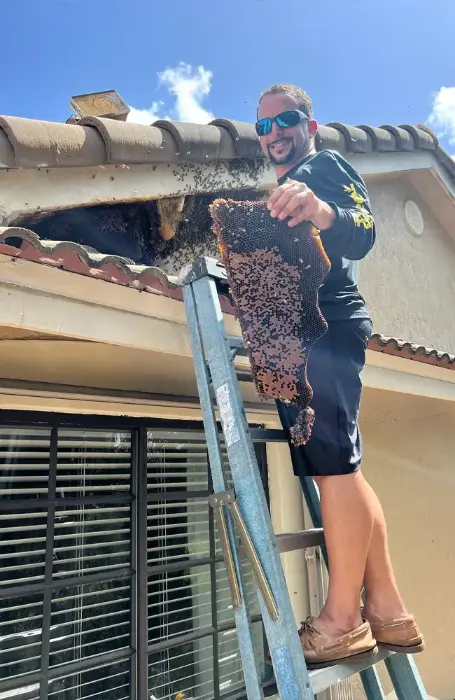
Award-Winning Bee Removal Trusted Across South Florida




Your Local Haverhill Bee Removal Experts
Haverhill is a compact town in central Palm Beach County, and the town’s official pages place Town Hall at 4585 Charlotte Street, Haverhill, FL 33417. In a small town like this, bee activity near one home, driveway, tree, or outdoor structure can quickly become a neighborhood problem if left alone.
If you see bees entering your roofline, gathering around a tree, moving into a wall cavity, or swarming near your shed or patio, do not wait for the colony to grow. Call or text 561-867-0507 for fast Palm Beach County service in Haverhill.
Built for Haverhill’s Residential Streets & Parkside Areas
Haverhill Park at 5470 Belvedere Road is one of the clearest local reference points in town, and it reflects the kind of environment where bee problems often show up: residential properties, open yards, mature trees, and outdoor activity areas. Homes near parks, pathways, and landscaped lots often experience bee issues in trees, soffits, wall voids, and utility zones.
Compact Residential Lots
In a smaller town, bee activity near one structure can affect neighbors, pets, yard crews, and outdoor use faster than in more spread-out areas.
Trees, Sheds & Outdoor Structures
Haverhill homes often include mature landscaping, backyard sheds, fences, and utility areas where bees can settle unnoticed.
Common Bee Problem Areas in Haverhill Homes
In Haverhill, we most often see bee issues in the kinds of places homeowners overlook until the traffic becomes obvious.
Rooflines, Soffits & Fascia
Bees often enter through small exterior gaps and build hidden comb in protected roof and eave cavities.
Trees & Branch Clusters
Swarms may hang temporarily from branches, while established colonies can live deep inside trunk cavities or protected canopy areas.
Sheds, Fences & Outdoor Storage
Dark, enclosed outdoor spaces are common nesting zones for colonies that want shelter from weather and disturbance.
Wall Voids & Utility Areas
Meter boxes, wall penetrations, and hidden exterior access points can all become entry areas for a permanent hive.
Why Haverhill Homeowners Call GotBeez
Haverhill may be small, but that makes responsive local service even more important. We focus on humane live relocation whenever conditions safely allow, along with real problem-solving so the bees are not just moved from view while the underlying issue stays behind.
No-Kill Live Relocation
We do not default to extermination. Healthy colonies are relocated whenever safely possible as part of our humane bee-removal approach.
Fast Palm Beach County Response
We respond quickly when bee activity starts affecting families, outdoor areas, neighbors, deliveries, pets, or service crews.
Residential Problem-Solving
We handle the kinds of bee problems most common on Palm Beach County homes, from trees and sheds to hidden roofline and wall issues.
Cleanup & Repeat-Risk Guidance
When needed, we identify likely entry points, hidden comb risk, and areas that should be addressed to reduce future activity.
Serving Every Part of Haverhill, FL
GotBeez provides live bee removal throughout Haverhill and the surrounding Palm Beach County area, including homes near Charlotte Street, Belvedere Road, and properties around Haverhill Park and nearby residential streets.
- Homes near Town Hall at 4585 Charlotte Street
- Residential properties throughout Haverhill
- Homes and lots near Haverhill Park on Belvedere Road
- Tree-heavy residential streets and backyard structures
- Roofline, soffit, tree, shed, and wall hive removals
- Properties in and around zip codes 33415 and 33417
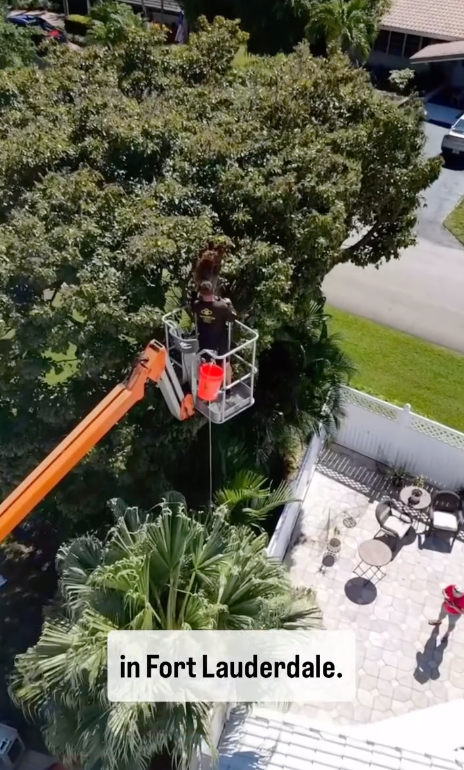
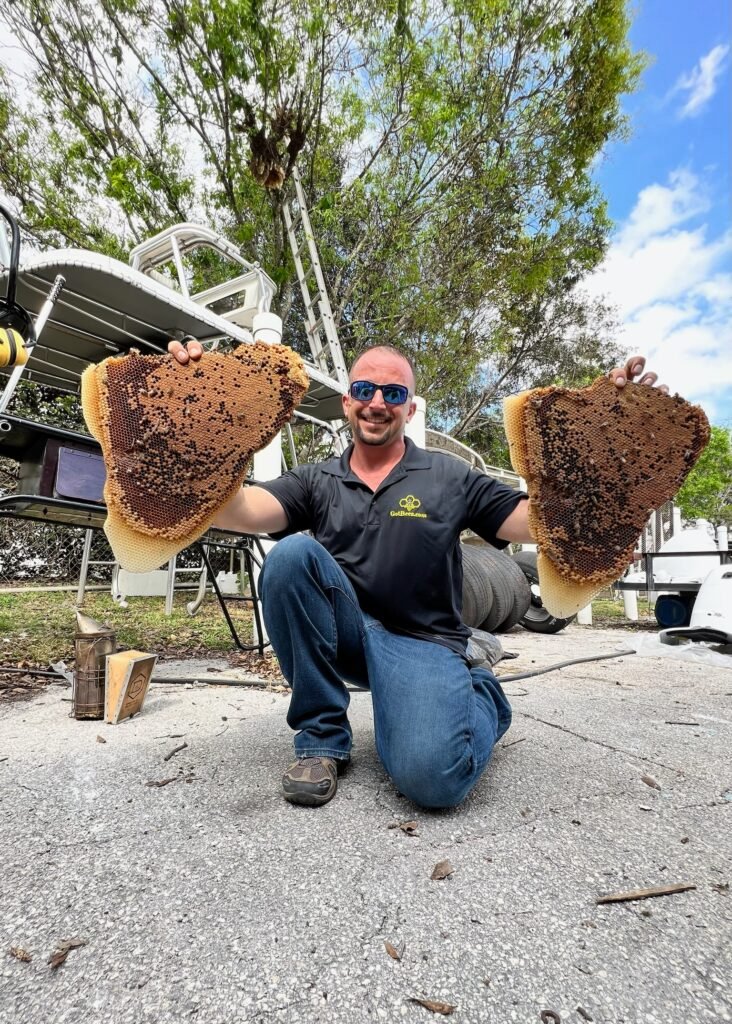
Need Live Bee Removal in Haverhill Right Now?
If you found bees in a tree, wall, roofline, shed, soffit, meter area, or another hidden spot on your Haverhill property, call GotBeez now for fast humane live relocation and real problem-solving.
Frequently Asked Questions About Bee Removal in Haverhill
These FAQs help Haverhill homeowners understand how humane live bee removal works in a small Palm Beach County residential town.
Yes. GotBeez provides humane live bee removal and relocation throughout Haverhill and nearby Palm Beach County neighborhoods.
Yes. We handle tree swarms, structural hive removals, roofline entries, shed colonies, and other hidden bee activity common on residential properties.
Yes. For Haverhill and nearby Palm Beach County service, call or text 561-867-0507.
Yes. Healthy colonies are relocated whenever safely possible as part of our humane live bee removal approach.
Yes. When needed, we identify likely entry points, hidden comb risk, and areas that should be addressed to reduce repeat activity.