
Africanized Bee Removal in South Florida — Broward & Palm Beach Counties
Safe, licensed, humane Africanized bee removal by Florida state-registered beekeepers across Broward and Palm Beach County.
Quick Summary
South Florida has the highest concentration of Africanized honey bees in the United States. If you see a wild bee colony on your property in Broward or Palm Beach County, there is a real chance it is Africanized. GotBeez provides professional live removal and relocation throughout South Florida with fast response and no DIY guesswork.
Fast same-day help for aggressive bee activity, rooflines, walls, utility boxes, sheds, patios, water meters, and hidden hive removals.
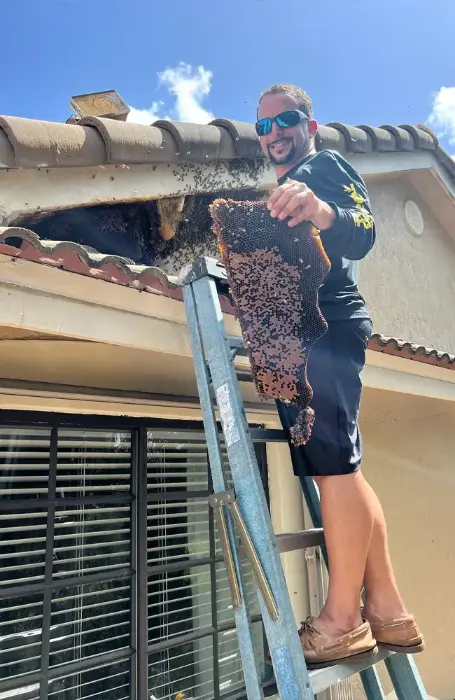
Award-Winning Bee Removal Trusted Across South Florida





What Are Africanized Honey Bees?
Africanized honey bees, often called “killer bees,” are a hybrid of African honey bees and European honey bee subspecies. In South Florida, the practical danger is not their appearance. It is their defensive behavior. They can look virtually identical to regular honey bees, which means homeowners cannot reliably identify them by eye.
The safest operating assumption in South Florida is simple: if you have a feral honey bee colony on your property, treat it like it could be Africanized and do not disturb it.
Important Safety Warning
Do not spray, poke, hose down, smoke, vacuum, burn, or attempt to remove an aggressive hive yourself. A disturbed colony can escalate into a medical emergency in seconds.
Why Africanized Bees Are More Dangerous
European honey bees are generally more docile. Africanized colonies are far more defensive, more reactive to vibration, and more likely to send large numbers of guard bees after a disturbance.
| Behavior | European Honey Bee | Africanized Honey Bee |
|---|---|---|
| Guard bees sent to defend the hive | 10–20 | Hundreds |
| Pursuit distance when agitated | Around 20 feet | 500 feet or more |
| Time the colony stays agitated | 1–2 hours | Up to several days |
| Typical stings in one incident | 10–20 | 100–1,000+ |
| Swarming frequency per year | 1–2 times | Up to 10 times |
| Preferred nesting cavity | Large enclosed cavities | Small cavities almost anywhere |
| Common trigger for attack | Direct hive contact | Vibration, movement, sound from 50–120 feet away |
That vibration trigger is what makes Africanized bees especially dangerous in dense neighborhoods. Lawn mowers, pool pumps, A/C condensers, weed trimmers, leaf blowers, and even nearby movement can provoke a severe defensive response before the person realizes there is a hive present.
Where Africanized Bees Hide in South Florida
Africanized bees often prefer smaller cavities than traditional European honey bee colonies. South Florida’s stucco homes, tile roofs, irrigation systems, utility infrastructure, and outdoor storage areas give them countless places to settle.
- Stucco wall voids and block-wall cavities
- Barrel tile roofs and underlayment gaps
- Soffits, fascia boards, and eave returns
- Attic spaces, crawl spaces, and rim-joist gaps
- Water meter boxes near sidewalks and driveways
- Utility boxes, cable boxes, and electrical enclosures
- Irrigation valve boxes and sprinkler trenches
- Old tires, flower pots, and stacked storage bins
- Hollow tree cavities and palm tree boots
- BBQ grills, patio storage, and pool equipment pads
- Sheds, detached garages, and storage containers
- Underground burrows and low ground-level cavities
Warning Signs You May Have Africanized Bees
In the real world, behavior is often the first clue. If you notice any of the signs below, treat it as a potentially Africanized colony and keep people and pets away from the area.
Unexpected Aggression
Bees dive at your face, head-butt you, or react when you are still several feet away from the hive zone.
Reaction to Vibration
Lawn equipment, pool pumps, A/C units, or power tools suddenly trigger a cloud of bees.
Purposeful In-and-Out Flight
Bees fly directly in and out of one opening without hovering around flowers or landscaping.
Low-to-Ground Nesting
Bee activity is centered around utility boxes, tires, water meters, irrigation valves, or underground openings.
Multiple Stings from Minor Disturbance
Walking by a wall, fence, yard edge, or equipment area causes a sudden defensive response.
Wax Debris or Dead Bees
You notice bee remains, honey staining, or wax fragments near soffits, rooflines, or small exterior openings.
Why You Should Never DIY Africanized Bee Removal
We have seen nearly every DIY attempt: spray cans, gasoline, dish soap, smoke, fire, and household vacuums. These methods do not solve the problem safely. They usually make it far worse.
Disturbing an Africanized colony can release alarm pheromones and send hundreds of guard bees into attack mode. Even if the initial disturbance stops, the colony can remain highly agitated long after the first encounter, putting homeowners, neighbors, mail carriers, children, pets, and landscapers at risk.
Just as important, killing visible bees does not remove the actual problem. Hidden comb, brood, wax, honey, and pheromone residue can remain inside walls, soffits, roofs, or utility spaces and attract future bee activity.
How GotBeez Handles Africanized Bee Removal
1. Immediate Risk Assessment
We identify the flight path, defensive radius, nesting location, and risk to people, pets, and nearby workers.
2. Safe Containment
We secure the work zone and control exposure before beginning removal in any residential or commercial setting.
3. Live Colony Removal
As Florida state-registered beekeepers, we perform humane live removals when conditions safely allow.
4. Honeycomb & Odor Cleanup
We remove comb, wax, and attractants that can cause secondary pest issues or future re-infestation.
5. Structural Recommendation
We identify vulnerable entry points and advise on sealing or repair to help prevent future nesting.
6. Ongoing Safety Guidance
We tell you exactly what to avoid, what to monitor, and how to keep the area safe after removal.
Serving Broward & Palm Beach Counties
GotBeez provides Africanized bee removal across residential neighborhoods, HOAs, estates, businesses, schools, parks, and commercial sites throughout South Florida.
- Broward County: Fort Lauderdale, Hollywood, Davie, Pembroke Pines, Miramar, Plantation, Parkland, Coral Springs, Pompano Beach, Weston, Lauderdale-by-the-Sea, Oakland Park, and surrounding areas
- Palm Beach County: Boca Raton, Delray Beach, Boynton Beach, Lake Worth Beach, West Palm Beach, Wellington, Jupiter, Palm Beach Gardens, Lake Clarke Shores, and surrounding areas
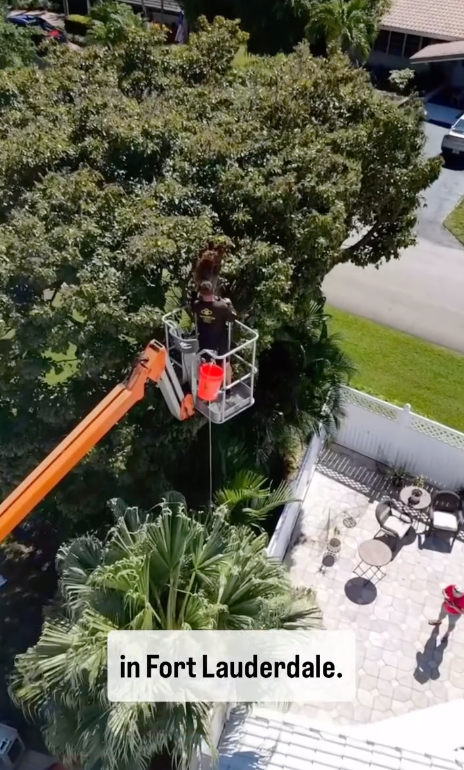
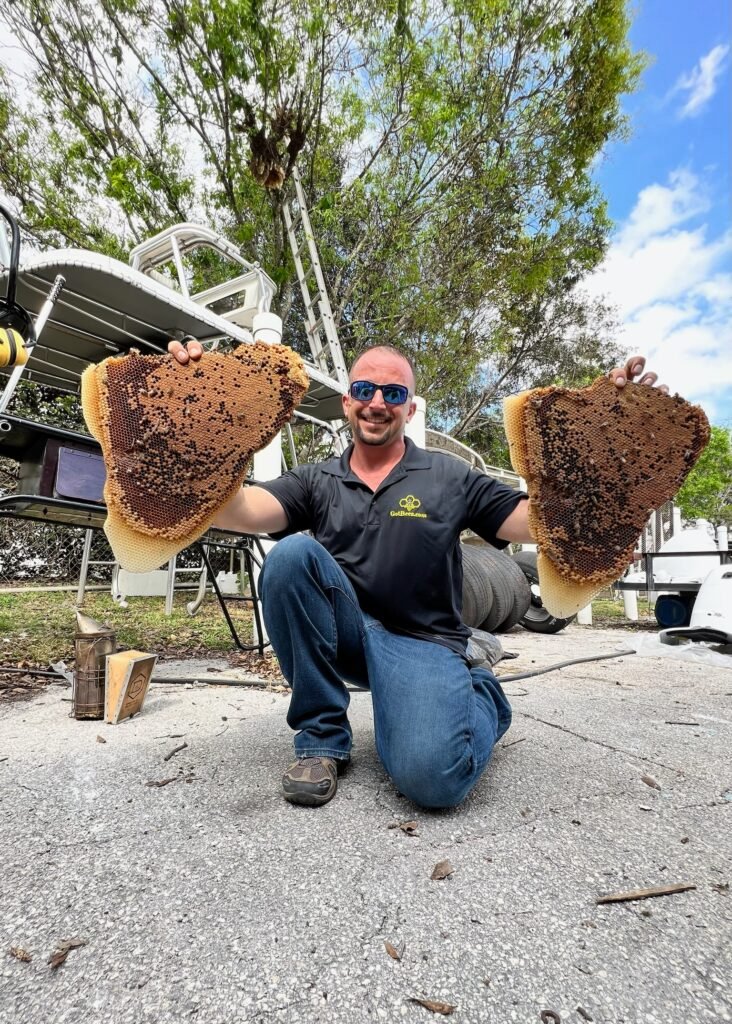
Need Immediate Help with a Potential Africanized Hive?
If bees are chasing people, reacting to yard equipment, or entering a cavity with purpose, do not disturb them. Call GotBeez now for safe Africanized bee removal in Broward or Palm Beach County.
Frequently Asked Questions About Africanized Bee Removal
These FAQs help homeowners, property managers, businesses, and residents understand how aggressive bee removals are handled in South Florida.
You usually cannot tell by appearance alone. Africanized honey bees can look nearly identical to standard honey bees, which is why any wild feral colony in South Florida should be treated as potentially Africanized until safely handled.
They are far more defensive, react to vibration and disturbance from farther away, can send many more guard bees, and may continue aggressive behavior well after the first disturbance.
Yes. As Florida state-registered beekeepers, GotBeez performs humane live removal and relocation whenever conditions safely allow.
Yes. We remove comb, wax, and odor sources whenever accessible because leftover material can attract new bees and cause additional pest or staining issues.
Get indoors or inside a vehicle immediately, keep children and pets away from the area, and call us. Do not try to spray or disturb the colony after an aggressive event.
Yes. GotBeez provides Africanized bee removal throughout Broward and Palm Beach County, including residential, HOA, commercial, and municipal-type properties.